Herb & Plant Profiles
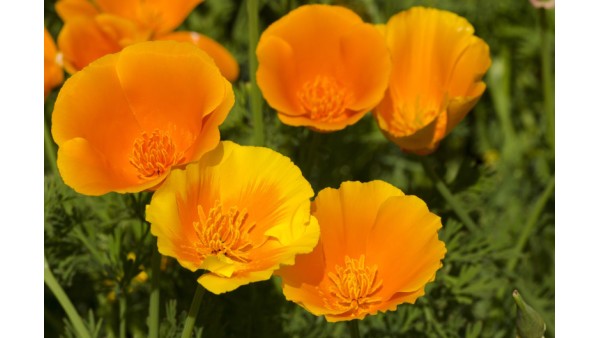
CALIFORNIA POPPY
Eschscholzia californica, or California poppy, is the official flower of the state of California. It is pictured on welcome signs along highways entering the state. April 6 is celebrated as California Poppy Day. Since ancient times, the Native peoples of North America have used its leaves for medicinal purposes, and the seeds have been eaten. They also added dry leaves and seeds to a smoking ritual mixture.
Read more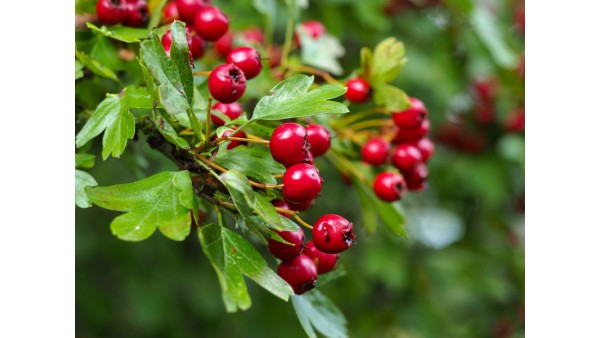
HAWTHORN
Hawthorn fruits contain vitamins A, C, E, beta-carotene, fatty oils, flavonoids, saponins, phytosterols, carotene, choline, glycosides, organic acids, fructose, tannins. Hawthorn flowers contain essential oils, acetylcholine, flavone glycosides, various acids (caffeic, ursolic, chlorogenic, etc.). Amygdalin and essential oil are found in seeds. Hawthorn helps improve health and stimulate immunity. It strengthens the walls of blood vessels, including small capillaries. It is used as an agent against vascular spasms, for lowering cholesterol levels, as a diuretic and anti-edema herb.
Read more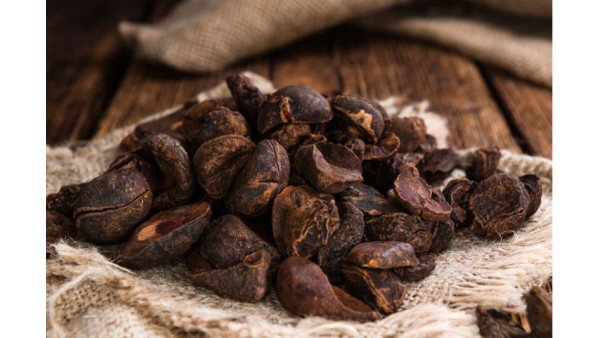
KOLA NUTS: BETTER THAN COFFEE
Kola is a distant relative of cocoa. Kola nut is the fruit of the evergreen tree Cola acuminata, a twenty-meter giant native to equatorial Africa. Kola nuts are used in medicine, as well as for the manufacture of tonic drinks. Back in the 16th century, European travelers enthusiastically described the amazing properties of this nut: according to them, it suppressed hunger, and also relieved fatigue. Kola increases the physical capabilities of the human body. This is why the Kola nut has become one of the most expensive trade and exchange products in Africa.
Read more
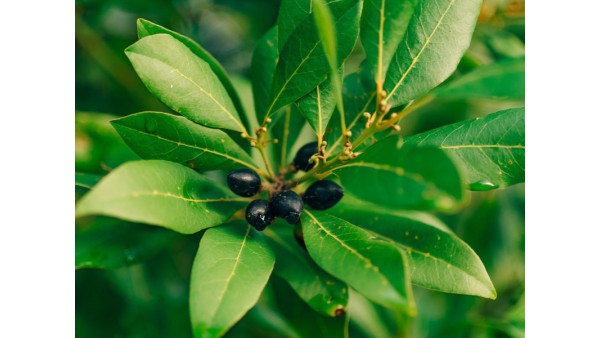
LAUREL: A NOBLE PLANT
Laurus nobilis, commonly known as Laurel, or Bay, is a subtropical tree or shrub. Its leaves have long been used as a seasoning. Laurel leaves and oil are widely used in world cuisines. Laurel leaves give dishes a pleasant light aroma and a bitter, spicy taste. They are used both fresh and dried, sometimes ground into powder.
Read more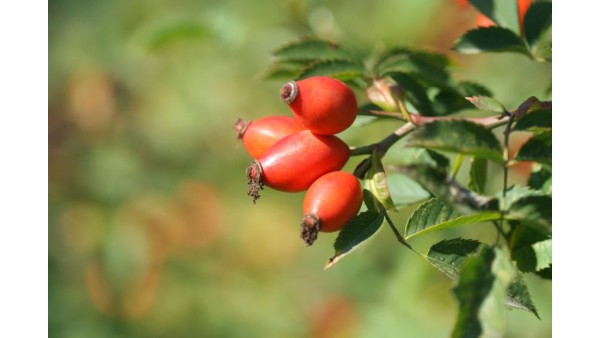
ROSEHIPS, OR DOG ROSE
Rosehips are rich in vitamin C, its average content of which is about 6%. Rose hips are also rich in vitamins A, K, P, E, B vitamins. The complex of trace elements that is contained in rose hips includes: potassium, calcium, iron, magnesium, manganese, sodium, phosphorus, chromium, copper, cobalt, molybdenum, and manganese. Rosehip contains sugars, pectins, tannins, organic acids, essential oil and many other substances
Read more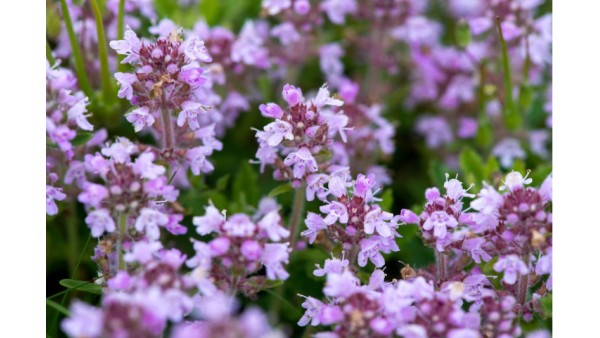
FRAGNANT THYME
Thyme is one of the main aromatic herbs of French cuisine and is included in the "bouquet garni" and “Herbes de Provence”, and in Spain, Greece and Turkey, thyme oil is used for pickling olives.
Read more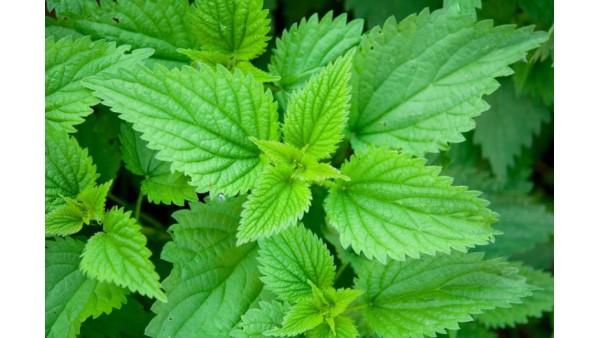
STINGING NETTLE
Stinging nettle, or simply nettle, is considered a storehouse of vitamins: ascorbic acid (twice as much as in black currant berries), K, E, A and B vitamins.
Read more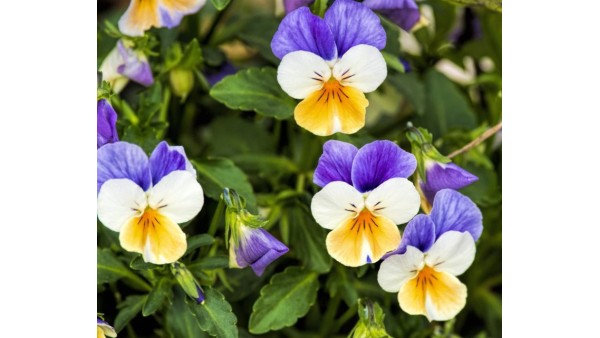
VIOLA TRICOLOR, OR HEARTSEASE
Viola tricolor, commonly known as heartsease, or wild pancy, is a short herbaceous plant that is often grown as an ornamental plant. The herb of the plant contains a wide variety of substances: flavonoids, salicylic acid, anthocyanins, saponin, vitamin A, vitamin C, tannins, inulin. Viola herb has a beneficial effect on the condition of the blood vessels in the human body. It strengthens the walls of blood vessels and prevent the occurrence of certain diseases of the cardiovascular system. Flavonoids in Viola have strong antioxidant properties, thanks to which they neutralize the harmful effects of free radicals on the body.
Read more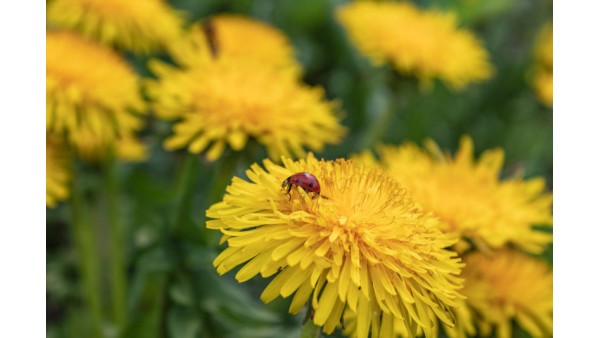
BRIGHT SUNNY DANDELION
Dandelion is familiar to everyone. It is one of the first summer flowers that covers meadows, roadsides and city courtyards with a bright yellow blanket. Almost all parts of the plant are edible. You can prepare delicious dishes from them, like vitamin salads from fragrant leaves, soups.
Read more