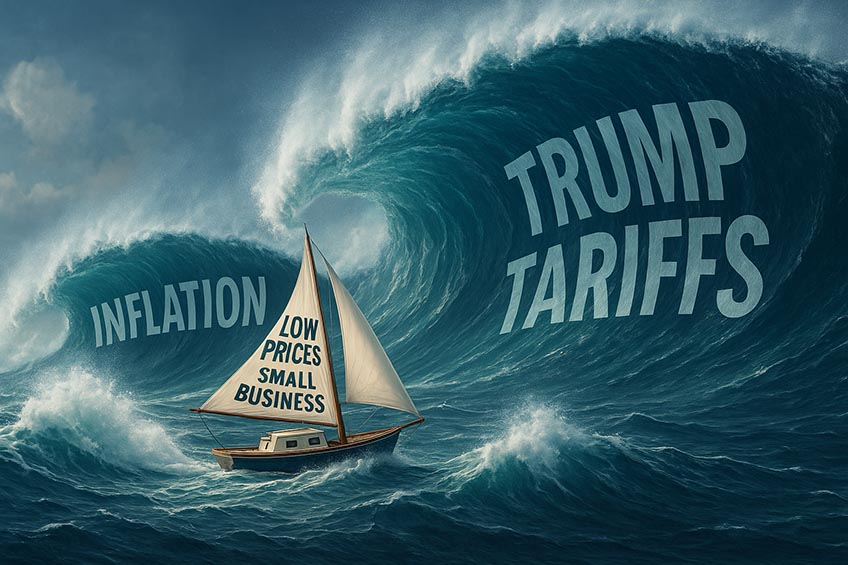
Who Really Pays Tariffs and Why It Matters for Everyone
Dear customers,
It is with sincere regret that we must inform you: due to recent economic pressures beyond our control, starting June 15st, we will be forced to raise prices on our products — and here’s why. This is not a decision we take lightly. For years, we’ve worked hard to keep our prices stable — absorbing inflation, rising costs of raw materials, and logistical challenges. But now, due to steep import tariffs and shifting trade policies, we are left with no other choice.
How Tariffs Really Work
When people hear that the U.S. has imposed tariffs on Chinese goods, it often sounds like we’ve "punished China" or "made them pay." But that’s not how it works.
It’s not China who pays the tariffs — it’s us, American businesses, and ultimately, you — our customers.
A Real-World Example
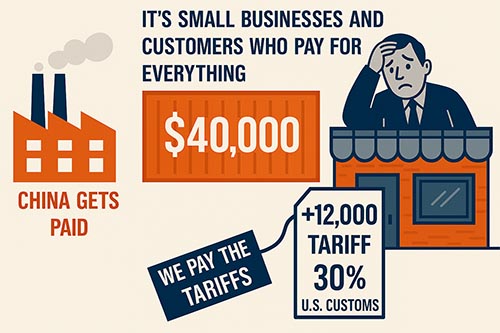
Let’s say we import a container of glass bottles from China — the same bottles we use to bottle our Hawaiian-made herbal extracts. The cost of that container is $40,000, and we pay that amount in full to the Chinese supplier. That’s where China’s involvement ends.
When the container arrives at a U.S. port, U.S. Customs steps in and issues a tariff bill. Under current policy, we’re required to pay an additional 30% of the cargo value as import duties — that’s $12,000 on top of the original $40,000. Until we pay that amount in full, we are not even allowed to access the shipment.
And again — the Chinese supplier doesn’t care whether we’re charged 0%, 30%, or 145%. They already received their $40,000. It’s the American importer, in this case - us, who must pay that massive tax just to access the goods we’ve already purchased.
We Manufacture in the U.S., But That’s Not Enough
Our production is entirely based in the United States. We make herbal extracts right here in Hawaii using American labor and rigorous quality standards. But modern production depends on global components. We don’t manufacture bottles, droppers, or packaging materials — and trying to do so here would be inefficient and economically unsustainable.
Buying from overseas isn’t about cutting corners — it’s about staying in business. Unfortunately, instead of first building infrastructure and support for U.S. manufacturers, the government simply imposed harsh import taxes. The result? We now pay more for the exact same materials.
We Held the Line As Long As We Could
Despite inflation, logistical delays, and rising raw material costs, we’ve kept our prices stable for years. But these new tariffs — which add tens of thousands of dollars in unexpected taxes — make it financially impossible to continue without an adjustment.
We are not raising prices out of greed. We’re doing it to survive.
Why Small Businesses Suffer the Most
What makes this even more painful is the unequal treatment. Some large corporations have successfully lobbied for broad exemptions from tariffs — not just on select parts, but on nearly their entire product line: smartphones, computers, memory chips, storage devices, and more.
They were able to secure these exceptions through high-level lobbying and direct meetings with U.S. officials. Small businesses like ours don’t have lobbyists in Washington. We don’t have that kind of influence.
While massive corporations continue to import goods tariff-free, small manufacturers like us carry the full burden of these taxes. And sadly, it feels like no one in power is listening.
Let’s Break It Down
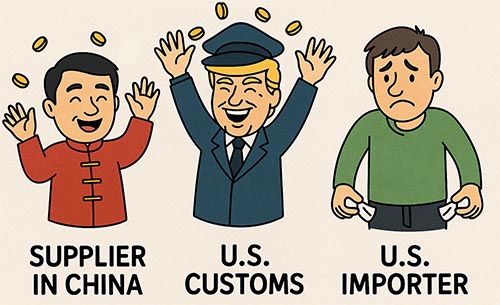
- Tariffs are paid by the importer — not by the country exporting the goods.
- The foreign supplier gets paid in full, no matter the tariff rate.
- Customs duties are collected by the U.S. government from American businesses.
- We must pay these duties before we’re even allowed to receive our shipments.
- Imposing tariffs without first supporting U.S. industry is a short-sighted policy that hurts small producers.
We're increasing our prices not for profit, but simply to stay afloat.
We hope this explanation sheds light on the challenges we face and why price increases have become unavoidable.
Thank you for your understanding. Thank you for standing with us — your support truly matters.